The Frida Baby Thermometer: Balancing Innovation with Ethical Marketing
In the dynamic world of baby care products, innovation often takes center stage, promising parents greater ease, accuracy, and peace of mind. Among the essential tools for any household, especially one with young children, a reliable thermometer is paramount. It provides crucial information, helping parents monitor wellness, detect fevers, and make informed decisions about their child's health. Frida Baby, a brand known for its distinctive approach to addressing the "real" side of parenting, has introduced advanced temperature measurement devices like the Frida Baby Thermometer, celebrated for its technological prowess. However, the brand has also found itself at the heart of a significant public discourse, raising questions about the line between innovative marketing and ethical boundaries, particularly when advertising products designed for infants.
Unpacking the Frida Baby Thermometer: Innovation in Temperature Measurement
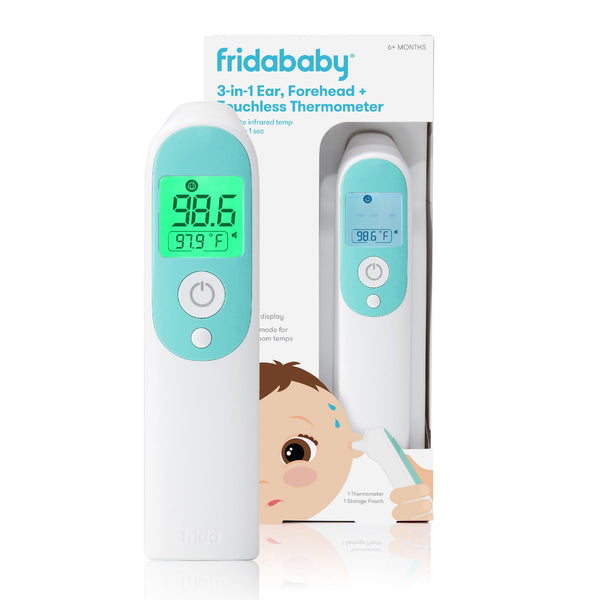
The modern thermometer has evolved significantly, moving beyond traditional mercury models to offer a range of sophisticated options. The Frida Baby 3-in-1 Ear, Forehead + Touchless Infrared Thermometer stands out as a prime example of this technological advancement. Designed with the demanding needs of parents in mind, this multi-functional device promises accuracy, speed, and versatility, making temperature checks less of a struggle and more of a seamless task.
Key features that highlight its innovative design include:
- Multi-Mode Functionality: This thermometer offers three distinct ways to measure temperature: in-ear, on the forehead, and completely touchless. This adaptability is invaluable, allowing parents to choose the most appropriate method depending on the situation – from quick, in-ear checks when a baby is awake and cooperative, to non-invasive forehead scans while they sleep, minimizing disturbance.
- 1-Second Accurate Readings: Speed is critical when dealing with an unwell child. The infrared technology employed by the Frida Baby Thermometer delivers precise temperature readings in just one second, a significant advantage over slower methods.
- Touchless Versatility: The non-contact infrared mode is particularly beneficial. It allows for temperature checks on both children and adults from a safe distance, typically up to two inches away, without physical contact. This not only enhances hygiene but also reduces the risk of waking a sleeping child. Beyond body temperature, this mode can also be used to check room temperature or even the temperature of a baby's bottle, adding another layer of practical utility.
- Clear Alerts and Memory Function: The device incorporates a color-coded screen that visually alerts users to high temperatures, often accompanied by an optional sound alert that can be silenced during quiet times. Furthermore, the ability to store up to 40 previous temperature readings is a vital feature for tracking wellness trends and fluctuations, providing valuable data for parents and pediatricians alike.
- User-Friendly Design: With large LED screens for easy readability and the option to switch between Fahrenheit and Celsius, the thermometer is designed for intuitive use. Its battery-operated, compact design, often accompanied by a storage pouch, ensures it's ready to go wherever you do, whether at home or on the move.
These features collectively represent a significant leap forward in personal health monitoring, offering parents a sophisticated yet easy-to-use tool to manage their family's health.
Beyond the Product: The Role of a Reliable Thermometer in Family Health
Beyond the impressive features of any individual device, the fundamental importance of a reliable thermometer in every household cannot be overstated. It is more than just a gadget; it's a vital instrument for health monitoring and decision-making. Accurate temperature measurement serves as an early warning system, indicating when a family member, particularly an infant, might be unwell.
Practical Tips for Thermometer Use and Selection:
- Choose the Right Type: While digital thermometers are a basic staple, infrared ear and forehead thermometers, especially non-contact models like the Frida Baby Thermometer, offer distinct advantages in terms of speed, hygiene, and ease of use, particularly for squirming babies. Axillary (underarm) and tympanic (ear) readings can also be highly accurate when performed correctly.
- Understand the Reading: Familiarize yourself with normal body temperature ranges for different age groups. Remember that a fever reading can vary slightly depending on the method (e.g., rectal temperatures are generally considered most accurate for infants).
- Consistency is Key: When tracking a fever, try to use the same thermometer and method each time for consistent comparison. Features like temperature memory, found in higher-end models, can be incredibly helpful for this.
- Look for User-Friendly Features: Backlit displays are excellent for nighttime readings, and a silent mode (as offered by Frida Baby) can prevent waking a sleeping child. A built-in fever warning can provide immediate clarity.
- Maintain Hygiene: Regardless of the type, always clean your thermometer according to manufacturer instructions, especially for contact models, to prevent germ spread.
Having a trustworthy thermometer ensures that you can accurately track temperature fluctuations, enabling you to decide when to administer fever reducers or when to contact a healthcare professional, providing peace of mind during stressful times.
Marketing on the Edge: The Frida Baby Controversy
Despite its strides in product innovation, Frida Baby recently faced significant public scrutiny over its marketing strategies. A viral social media post brought old advertisements and product packaging back into the spotlight, sparking a heated debate among parents and consumers. The core of the controversy revolved around allegations that the company employed what some described as "sexual jokes" and "sick and twisted" marketing tones on products designed for infants, leading to widespread accusations of crossing an ethical line.
Specific examples that fueled the backlash included:
- An illustration on the packaging of Frida's 3-in-1 True Temp thermometer, featuring the device alongside a baby’s bare bottom, accompanied by the caption: “This is the closest your husband’s gonna get to a threesome.”
- The packaging for the 3-in-1 ear, forehead, and touchless thermometer, which reportedly bore the phrase: “How about a quickie?”
- Instructions for a Frida Baby humidifier allegedly titled: “I get turned on easily.”
- A product box that stated: “I’m a [power] sucker.”
These examples, shared widely across social media platforms, garnered millions of views and prompted calls for a boycott from perturbed parents who felt the brand's humor was inappropriate and exploitative, particularly given the target demographic of infants and new parents. The controversy highlighted a significant clash between the brand's intended messaging and consumer perception.
In response to the mounting criticism, a spokesperson for Frida Baby issued a statement clarifying the brand's philosophy: "From the very beginning, Frida has used humor to talk about the real, raw, and messy parts of parenting that too often go unspoken. We do this because parenting can be isolating and overwhelming, and sometimes a moment of levity is what makes a hard experience feel human, shared, and survivable." This statement articulated the brand's intent to connect with parents through relatable, albeit edgy, humor, aiming to foster a sense of shared experience and alleviate the pressures of parenthood. The full scope of the public's reaction and the brand's reasoning can be explored further in Frida Baby Thermometer: Marketing Controversy & Parent Backlash.
Navigating Brand Identity in a Digital Age: Lessons from Frida Baby
The Frida Baby marketing controversy serves as a compelling case study in the complexities of brand identity and consumer engagement in the digital age. In an era where social media amplifies voices and opinions instantaneously, brands face the constant challenge of crafting messages that resonate with their target audience without alienating segments of the market. While Frida Baby's intention, as articulated, was to use humor to normalize the often-challenging realities of parenting, the outcome demonstrated that humor is highly subjective and context-dependent. What one group perceives as relatable levity, another might find offensive or inappropriate, especially when associated with sensitive categories like baby care products.
This incident underscores several crucial lessons for brands:
- Understand Your Audience's Sensitivity: While humor can be a powerful tool for connection, brands must exercise extreme caution when applying it to products related to children. The emotional connection parents have with their children, and consequently with baby products, is profound and often accompanied by high levels of protective instinct.
- The Speed of Social Media: Content can go viral rapidly, and once public sentiment turns negative, it can be challenging to reclaim control of the narrative. Brands must be prepared for swift reactions and have clear communication strategies in place.
- Consistency in Brand Values: While Frida Baby aims to be "raw and real," the marketing materials in question were perceived by some as inconsistent with the care and nurturing typically associated with infant products. Balancing a unique brand voice with widely accepted ethical standards is a delicate act.
- Impact on Trust: Consumer trust is hard-earned and easily lost. When marketing tactics are perceived as unethical or exploitative, it can erode confidence in the brand's products, regardless of their innovation or quality.
Ultimately, a brand's long-term success hinges not only on the quality and innovation of its products but also on the ethical foundation of its communication and its ability to build and maintain trust with its consumer base.
Conclusion
The journey of the Frida Baby Thermometer illustrates a fascinating duality: on one hand, a commitment to product innovation that offers practical, effective solutions for parents; on the other, a marketing approach that has sparked considerable debate regarding ethical boundaries and public perception. The advanced features of the Frida Baby 3-in-1 Thermometer exemplify how technology can genuinely improve the experience of parenting, making temperature monitoring easier and more accurate. However, the ensuing marketing controversy highlights the delicate balance brands must strike between creating a distinct voice and adhering to societal expectations, especially when dealing with the sensitive world of infant care. As consumers, our purchasing decisions are increasingly influenced not just by a product's utility, but also by the values and ethics a brand demonstrates, reminding us that both innovation and responsible communication are vital for lasting success and trust.